Emergency Enclosure Now Under Construction
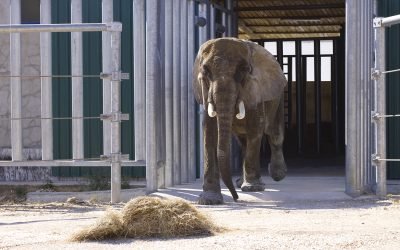
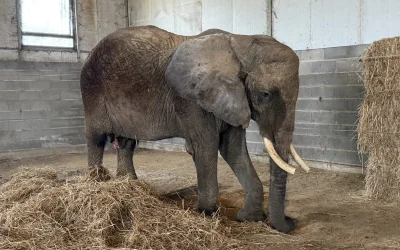
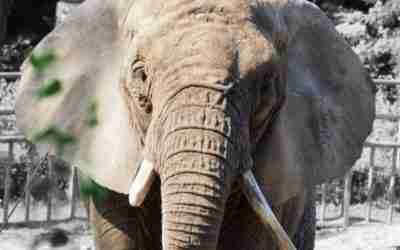
In June, Pangea broke ground on its very first elephant enclosure — a secure, one-acre holding space designed to safely receive elephants in urgent need. With reinforced steel fencing rising 3 meters high and anchored 1.5 meters into the ground, the emergency enclosure will serve as a safe landing place for any elephant being introduced to Pangea. The new area allows us to safely receive an elephant at short notice and ensures we are ready to respond even before the full sanctuary is complete.
Once operational, the enclosure will become a permanent intake area. Here, each new elephant’s health and behavior can be assessed, allowing veterinarians and caregivers to support them as they acclimatize to sanctuary life. As the sanctuary expands, this initial holding space will connect to the larger enclosures, gently easing new elephants into safe interactions with current residents. Incremental exposure gives the best chance for meaningful companionship to form and the integration of each newcomer into a stable herd dynamic. It will also include a protected contact training wall, which facilitates positive reinforcement training.
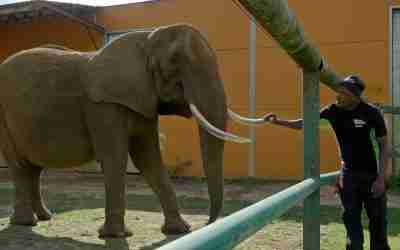
Many elephants arriving at Pangea will transition from a “free contact” system, where handlers are in direct control via physical coercion, to a “protected contact” approach. Protected contact allows caregivers to safely interact from behind secure barriers. The technique eliminates use of hooks and other aversive tools in favor of methods that prioritize positive, voluntary interactions. Experienced experts will guide each elephant through this transition from the moment they arrive. With beautiful views over the valley, the enclosure will offer a natural space that aids emotional and physical recovery as they adjust to their new home.
Phase 1 Development: Preparing to Welcome Our First Elephants
Back in April, Pangea’s Board approved the first phase of sanctuary development. Phase 1 includes the construction of a five-stall barn and three outdoor enclosures, providing space and flexibility for up to 5 elephants. The barn renovation will transform an existing structure into a modern care facility designed with input from world-renowned experts including Global Sanctuary for Elephants, White Oak Conservation, and Elephant Haven.

Elephants at Pangea will spend most of their time outdoors, moving freely throughout their habitat. In large-scale sanctuaries, elephants typically spend very little time indoors. Sometimes as little as an hour per day, or even choosing not to return indoors at all. Unlike managed care facilities in colder climates where elephants might be confined inside around the clock, Pangea will ensure elephants always have the choice to roam outdoors. However, because many elephants arrive with health issues and often need intensive care as they adapt to sanctuary life, the barn provides a safe and vital space for veterinary treatment, emergency care, or shelter during severe weather.
The habitat surrounding the barn is diverse and designed to offer enriching experiences for the elephants. Initially, two smaller outdoor enclosures will be constructed, with a larger enclosure following as additional funding becomes available. Over time, our first group of elephants will have access to over 100 acres of natural habitat, featuring rolling landscapes, stable water sources, newly created ponds, and mud wallows.
Detailed technical plans and installation are being led by experts for all fencing, water, and electrical systems with independent audits carried out to ensure transparency and quality control.
Building for the Long Term

A full masterplan for Pangea Sanctuary is already in place, guiding how our sanctuary will grow over the years. It’s designed to be flexible, so we can adapt as each new elephant arrives and ensure their needs are met. While the plan gives us a clear vision for the future, it also allows us to stay aligned with local legislation and build in a thoughtful, responsive way. The emergency enclosure and Phase 1 facilities are only the first step. Next stages of development will include larger enclosures (up to 70 acres) to support long-term herd formation, natural behavior, and habitat regeneration. Every pole set in the ground brings us one step closer to a place where elephants in Europe can recover, roam, and forage freely.
Photo credits: Wade Million/Pangea Trust