Why the Reward is Worth the Risk
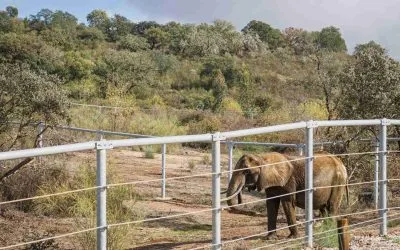
At Pangea, we give elephants who have spent much of their lives in captivity the chance to live alongside other elephants and rediscover natural behaviours across a vast, semi-wild landscape. We believe deeply in this work. We also know that moving an elephant is a serious undertaking, so we want to be open about what it involves: the risks, and the many things we do to keep them as low as possible.
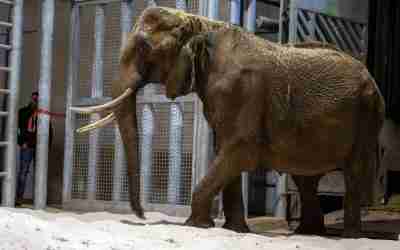
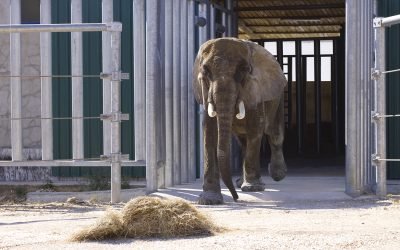
In the wild, elephants form lasting bonds and often stay with their family throughout their lives. Companionship is fundamental to their wellbeing. Yet many elephants in captivity spend years, sometimes decades, without another elephant, perhaps because they have lost a companion or because of the limits of where they live. Kariba was on her own from 2022-2026 before moving to Pangea.
Human carers can give attentive and loving care, but they can’t replace another elephant: the communication, the touch, the shared rhythm of a day. Giving elephants that chance again is why Pangea exists.
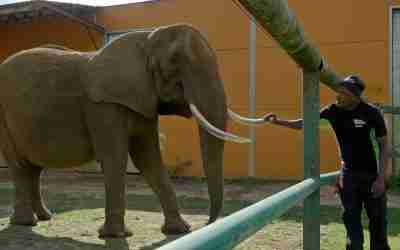
Crate training can be a long process and the approach must be tailored to each elephant’s unique set of needs.
Every Elephant is Different
Most of the elephants we will welcome are older, and many live with conditions common in captive elephants, such as foot, joint or circulatory problems. Loading, a long journey and unfamiliar surroundings can all be stressful, and that is further exacerbated if an elephant is getting on in age.
There is no single solution that works for every elephant. Each one has their own health, history, personality and way of coping with change. So before any move, we ask the same question: what can we do to reduce the risks for this elephant? The answer shapes a plan built around them.
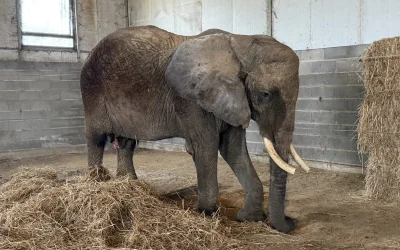
For example, Kariba had a particularly difficult six months leading up to her move because of medical challenges, and she is also blind in one eye, which has made her more wary in general.
Experienced People on the Ground
All decisions are made with input from multiple experts. Our Sanctuary Manager, Ryan Hockley, has over 30 years’ experience in elephant care and relocation. He is joined by our Elephant Transition Coordinator, Gail Laule, who helped develop protected contact, a way of caring for elephants through a protective barrier using positive reinforcement that is now used by zoos and sanctuaries around the world. We’re incredibly grateful for her support.
Our vet, Dr Graça Oliveira, oversees each elephant’s health before, during and after the move, alongside the owner’s veterinary team, and we also draw on the knowledge of other elephant experts around the globe, like Scott and Kat of Global Sanctuary for Elephants, and Sofie and Tony of Elephant Haven in France.
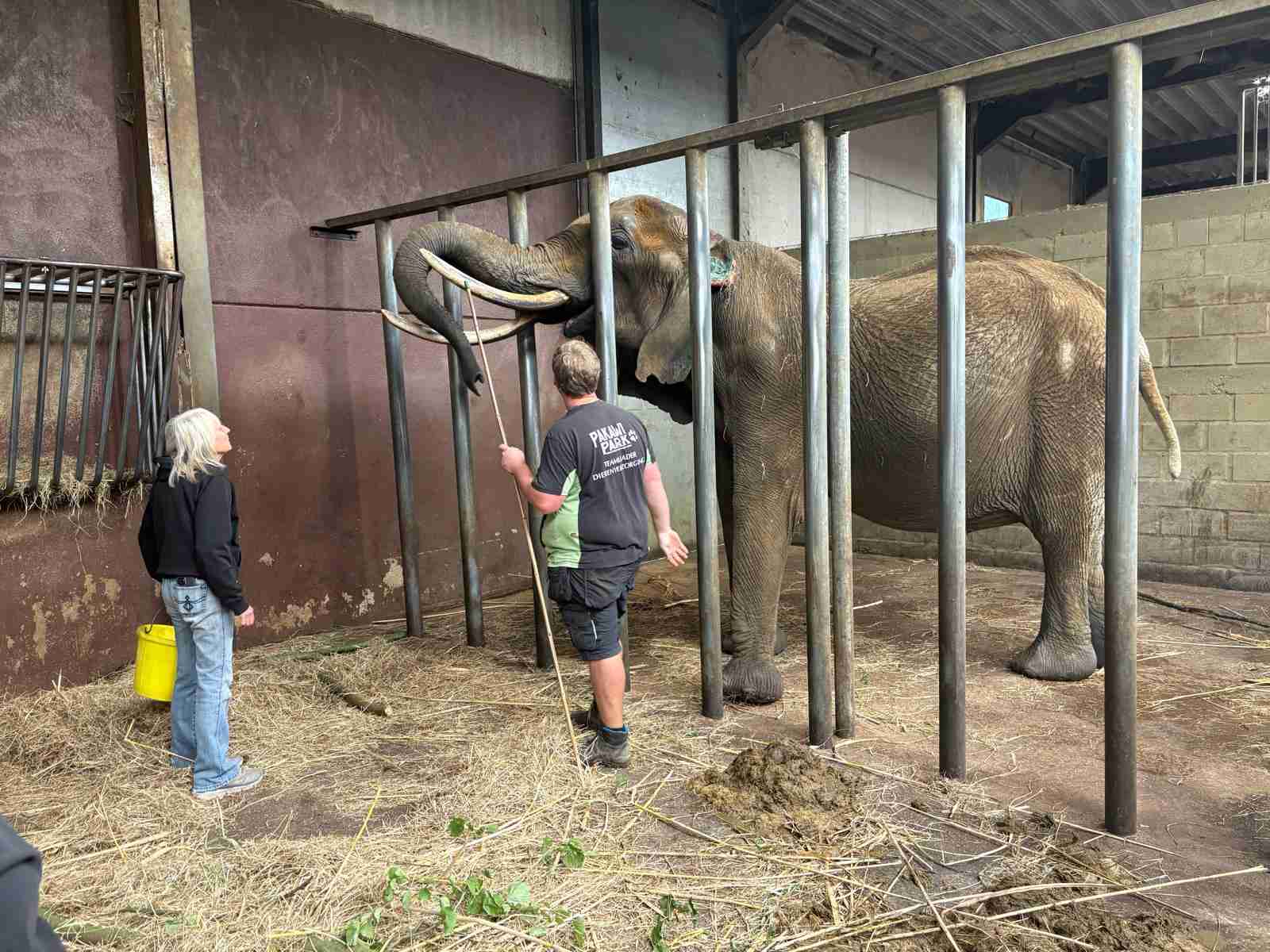
Gail Laule, our Elephant Transition Coordinator, has decades of elephant behaviour expertise and co-developed the protected contact training method.
Working with their Current Team
No one knows an elephant better than the people who look after them every day. We work closely with each elephant’s current care team, who share our wish to do what is best for them. Their knowledge of the elephant’s personality, routines and sensitivities shapes every part of our planning, and our team spends time with each elephant before they travel so that the people who will care for them at Pangea are already familiar faces.
Care Before & After Arrival
Every elephant has a thorough veterinary assessment before travelling and close monitoring after arrival. In May 2026, we postponed Kariba’s move just two days before departure because we felt she needed more time recovering from an infection.
Diet is also a huge part of care, and a sudden change in food can unsettle an elephant, so we plan the transition carefully. We make sure some of the food they are used to is waiting for them when they arrive, and introduce new foods gradually. For instance, we were surprised to learn from Julie’s previous owners that her favourite food was onions! Our staff ensured there were plenty available for her when she moved to the sanctuary.
Meeting an unfamiliar elephant is also a big moment. Introductions happen in stages, at a pace the elephants set. Our team watches closely how they respond to each other and only allows closer interactions when each seems comfortable.
Crate Training & the Journey
An elephant who feels relaxed in their travel crate will have a calmer journey. A less stressed elephant means lower risk of any medical complications that could result from pre-existing conditions. Julie was a former circus elephant and very used to travel, so she didn’t need the same preparation. Kariba’s crate training was more challenging than expected and that’s why utilizing the knowledge and experience of experts like Gail has been crucial.
We work with Ekipa, specialist transporters who have moved hundreds of elephants across Europe. Our own team travels with the elephant the whole way, watching how they are coping and responding to their needs.
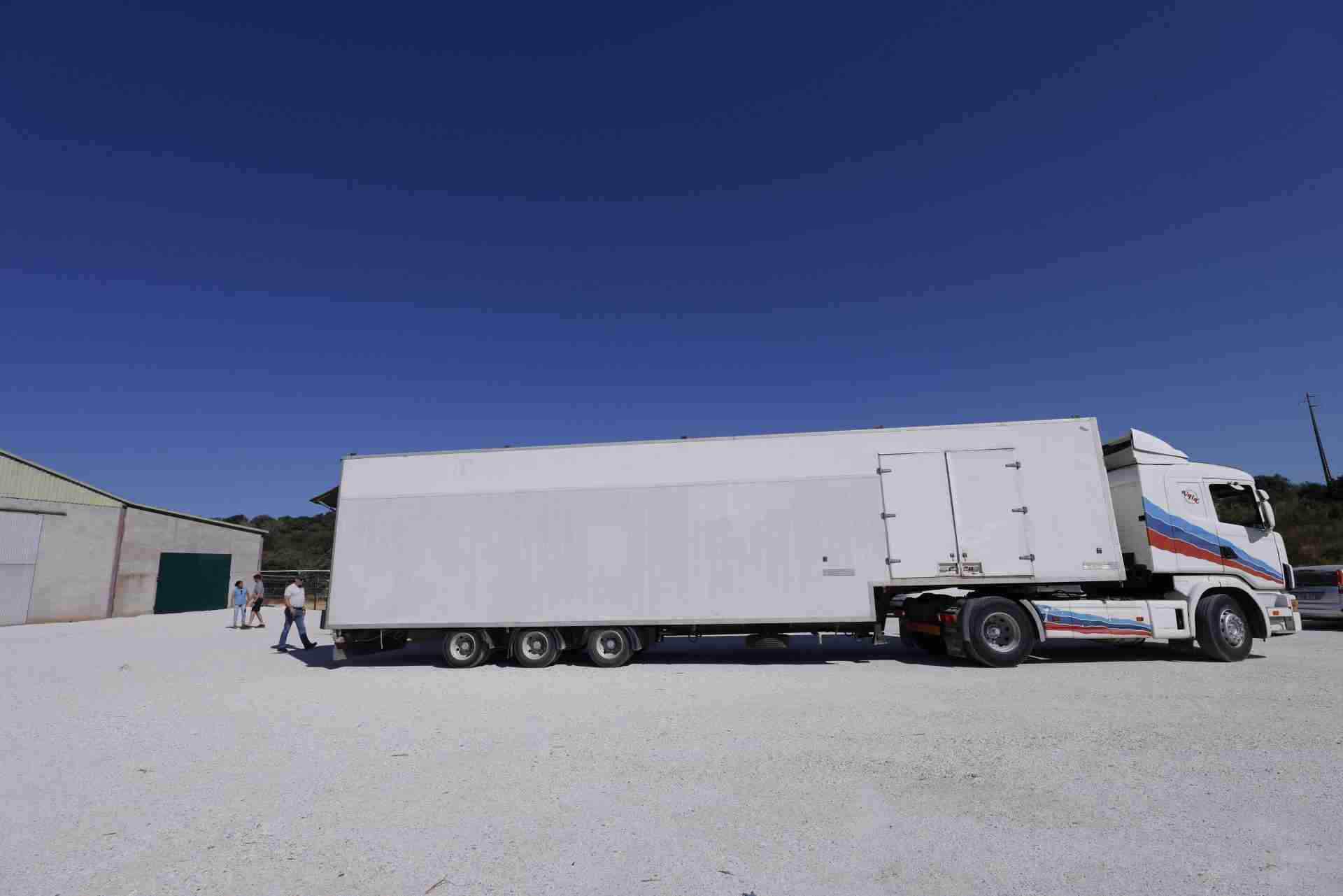
There are only a few specialised transportation companies in Europe that are licensed to move elephants.
Being Honest About the Future
Many of the elephants we welcome are in the later stages of life. We hope every one of them will enjoy many good years at Pangea, and we do everything we can to make that happen, but some may have less time with us than we would wish.
We believe that time spent with companions, with space to roam and explore, is worth it, whether it lasts months or years. What we can promise is that each elephant’s welfare will guide every decision we make, from the first conversation about a move to every day they spend with us.