A Gradual Shift in Policy
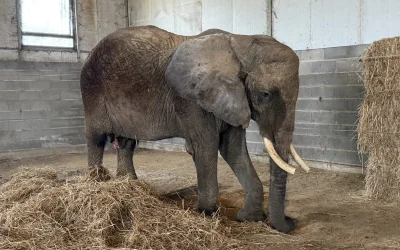
On July 7, 2025, the last captive elephant in Argentina crossed the Brazilian border. Kenya, an African elephant who has lived for decades under managed care at Argentina’s Mendoza Ecoparque, has been successfully relocated to Elephant Sanctuary Brazil (ESB) by our partner organization Global Sanctuary for Elephants (GSE).
Elephants had been housed in Argentine managed care facilities for over a century. However, the last several decades have seen the country steadily transitioning away from traditional zoo practices. One notable development came in 2016, when the Buenos Aires Zoo closed and reopened two years later as the Buenos Aires Ecoparque. The updated institution emphasized education, conservation, and species-appropriate care. Since then, more than 1,000 animals—including lions, tigers, bears, apes, and elephants—have been transferred to facilities better suited to their needs.
Kenya and Pupy
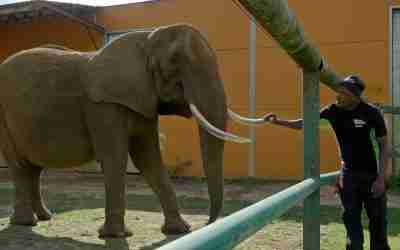
While Kenya’s full history is not entirely documented, it is known that she arrived at the Mendoza Ecoparque in the early 1980s, estimated to be around three to four years old at that time. Now around 44 years old, she has spent nearly four decades of her life in solitary confinement. The expert team at GSE has been preparing for Kenya’s move to Brazil since 2017, spending years navigating government hurdles, managing complex transportation logistics, and gradually training her for the relocation. Scott Blais, CEO and Co-Founder of GSE, led the relocation team throughout her 2,1000-mile, 5-day journey across the continent. Kenya is the 11th elephant to arrive at Elephant Sanctuary Brazil since its founding in 2016.
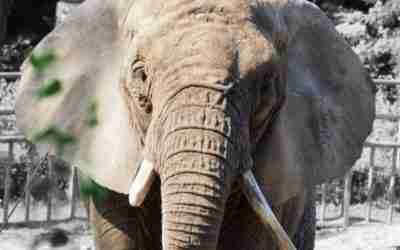
Another African female named Pupy, who was previously housed at the Ecoparque in Buenos Aires, also relocated to ESB in April earlier this year. According to records, Pupy was shipped to Argentina in 1993 from Kruger National Park in South Africa and is now estimated to be in her 30s. At ESB, Kenya and Pupy will eventually share an enclosure, providing each other with valuable companionship and opportunities for social interaction.
Journey to Sanctuary
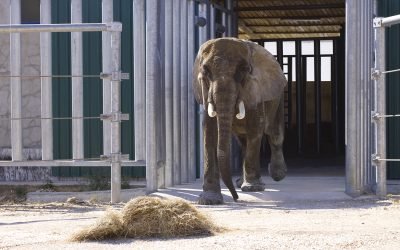
Before relocation could take place, Kenya and Pupy underwent extensive, positive-reinforcement training to acclimate them to their transport crates. Caregivers at GSE and collaborating facilities used food rewards, gradual exposure, and desensitization techniques to make the crates familiar and non-threatening:
Creating Positive Associations: Handlers introduced preferred snacks like bananas, apples, and melons inside and around transport crates, allowing elephants to freely explore and form positive memories.
Gradual Desensitization: Elephants were gradually exposed to transport-related sounds and structural cues, including crate doors opening and closing, as well as simulated engine noises, minimizing stress.
Building Comfort with Motion: Subtle movements were introduced to simulate transportation conditions, helping elephants remain calm during actual transit.
Voluntary Entry and Extended Stays: Elephants eventually entered crates voluntarily, staying for extended periods (even overnight), reinforcing the crates as safe spaces through continued access to food and positive attention.
Both Kenya and Pupy took several months to become confidently comfortable around their crates. This step-by-step preparation is essential for both physical safety and preserving the emotional wellbeing of elephants during relocation.
New Beginnings
Kenya and Pupy are being introduced gradually at their new home in Brazil, with attention to individual behaviors and preferences. At the sanctuary, they will have access to expansive, naturalistic enclosures where they can engage in behaviors more typical of wild elephants.
Argentina’s decision to relocate its last elephants represents a shift in animal welfare policy throughout Latin America. The choice reflects a broader regional movement toward phasing out traditional elephant exhibition in favor of care models focused on species specific needs. As more zoos and circuses across Europe begin to follow this same path, the need for a large-scale sanctuary offering compassionate, lifelong care is needed now more than ever.